Our Guide to Wildlife and Birdwatching Breaks in Norfolk
Looking for a winter birdwatching break on the North Norfolk coast? From the vast flocks of pink-footed geese filling the winter skies to the waders and wildfowl gathering along the saltmarshes, this part of Norfolk is a wonderful place to experience the changing seasons.
With RSPB Titchwell, Holme Dunes, Thornham Harbour and some of the Norfolk coast's best wildlife-watching spots all within easy reach, Ringstead makes a lovely base for exploring.
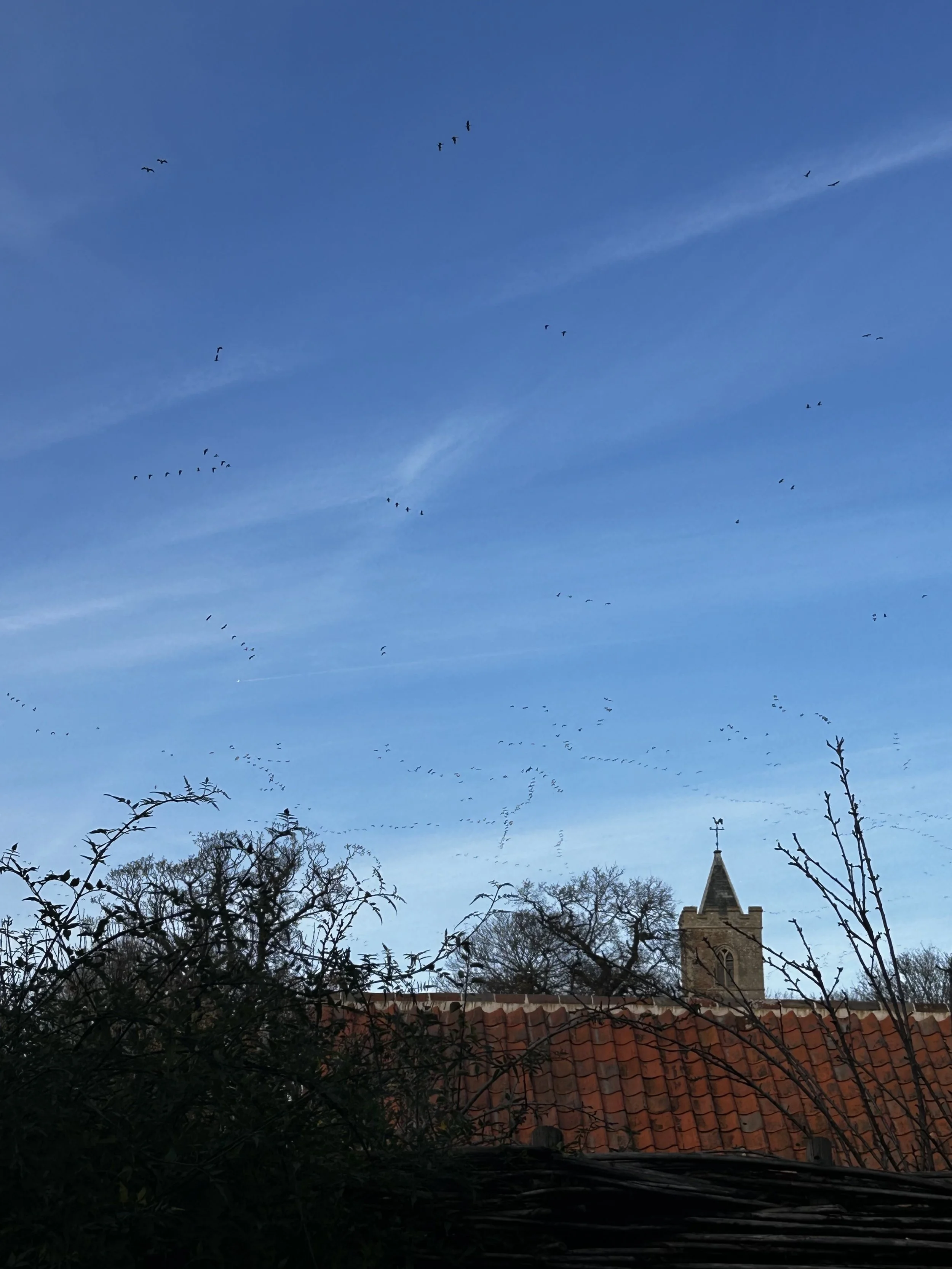
Whether you're a keen birder hoping to spot winter visitors or simply enjoy getting outdoors and discovering a little more of Norfolk's wildlife, there's plenty to see. Winter is a wonderful time to get out and explore North Norfolk. The beaches are quieter, the marshes are full of life and, on a clear morning, you can look up to see thousands of geese moving across the sky and you don't have to be a serious birder to appreciate it. A pair of binoculars, a warm coat and a little time to stop and look are often all you need.
Why North Norfolk for winter birdwatching?
As temperatures drop across northern Europe, North Norfolk becomes an important winter home for migrating and overwintering birds. Its mix of saltmarsh, mudflats, reedbeds, dunes and open farmland provides feeding and resting places for an impressive variety of species. Winter has its own special atmosphere here. The light is beautiful, the skies feel enormous and the sound of geese overhead is something you never quite get used to.
It's also a lovely time to explore without the summer crowds.
Look out for:
Pink-footed geese: often seen flying in large, noisy skeins, particularly around dawn and dusk.
Brent geese: regular winter visitors to coastal marshes and estuaries.
Waders: including curlew, redshank, oystercatcher, lapwing and golden plover.
Birds of prey: marsh harriers, kestrels, barn owls and, occasionally, short-eared owls.
Snow buntings: winter visitors that can sometimes be found along quieter stretches of beach.
Fieldfares and redwings: seasonal visitors often spotted feeding in hedgerows and fields.
You never quite know what you might come across. Some of the best moments are the unexpected ones.
The best winter birdwatching spots nearby Flock Cottage
One of the lovely things about staying in Ringstead is having several very different wildlife habitats all within easy reach. You can spend the morning on the beach, wander across the marshes in the afternoon or simply enjoy watching the birds from the garden the choice is yours!
Here's where we'd suggest heading, what you might see and where to check the latest sightings before you set off.
1. RSPB Titchwell Marsh- Approx. 10 minutes by car
If birdwatching is high on your list, Titchwell is an excellent place to start. One of Norfolk's best-known nature reserves, it has reedbeds, freshwater lagoons, saltmarsh and a stretch of beach, each attracting different species.
Winter is particularly rewarding. Keep an eye out for wildfowl and waders on the pools, bearded tits in the reedbeds, and birds of prey hunting over the marsh. Head towards the beach for the chance of seeing sea ducks and other coastal visitors.
There are hides and well-maintained paths, making it a great option for spending a few hours watching what's about.
Before you visit: RSPB Titchwell publishes a weekly sightings list, so you can see what's been recorded recently.
Check recent sightings at RSPB Titchwell ←
2. Holme Dunes Nature Reserve- Approx. 5–10 minutes by car
Holme is one of our favourite places to head for a walk, whatever the season. Its mix of dunes, pine woodland, beach and saltmarsh makes it a brilliant spot for wildlife watching. In winter, look out for snow buntings along the shoreline, small birds moving through the scrub and birds of prey over the grazing marshes. You might also hear geese passing overhead before you even spot them.
The landscape feels wonderfully open here, with plenty of space to wander and take in the changing coastal scenery.
For more detailed local sightings, the Norfolk Ornithologists' Association's Holme Bird Observatory reports are well worth a look.
3. Thornham Harbour and the surrounding marshes- Approx. 10 minutes by car
Thornham is a lovely place to experience the quieter side of the Norfolk coast. Its harbour, creeks and wide saltmarsh provide feeding grounds for geese and waders throughout the winter. Look out for pink-footed and Brent geese, curlew, redshank and birds of prey quartering over the marsh. On a still morning, the reflections across the water and the sound of birds calling across the landscape make this a particularly special place.
It's also a lovely area for a walk, with big skies and far-reaching views across the marshes.
4. Old Hunstanton Beach Approx. 10 minutes by car
You don't always need a nature reserve to enjoy a spot of birdwatching. Old Hunstanton is a lovely place to take a winter walk, with its wide beach, dunes and open sea. Keep an eye out for waders along the shoreline, gulls and seabirds offshore, and the occasional interesting visitor passing through. On colder days, sea ducks and divers may be spotted out on the water.
Take your binoculars and spend a little time looking out to sea. You might be surprised by what's there.
5. Ringstead Downs and Peddars Way- On the doorstep of Flock Cottage
For something a little closer to home, the countryside around Ringstead offers a different kind of birdwatching.
Ringstead Downs is one of Norfolk's largest remaining areas of chalk grassland. Its open slopes and surrounding hedgerows attract a variety of farmland and countryside birds, while the elevated paths offer lovely views across the landscape.
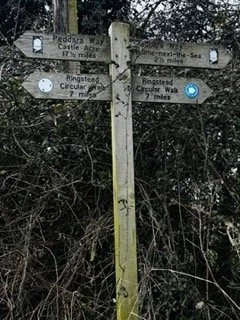
The nearby Peddars Way is another great place for a slower wander. Look out for buzzards overhead, finches in the hedgerows and smaller birds moving through the fields.
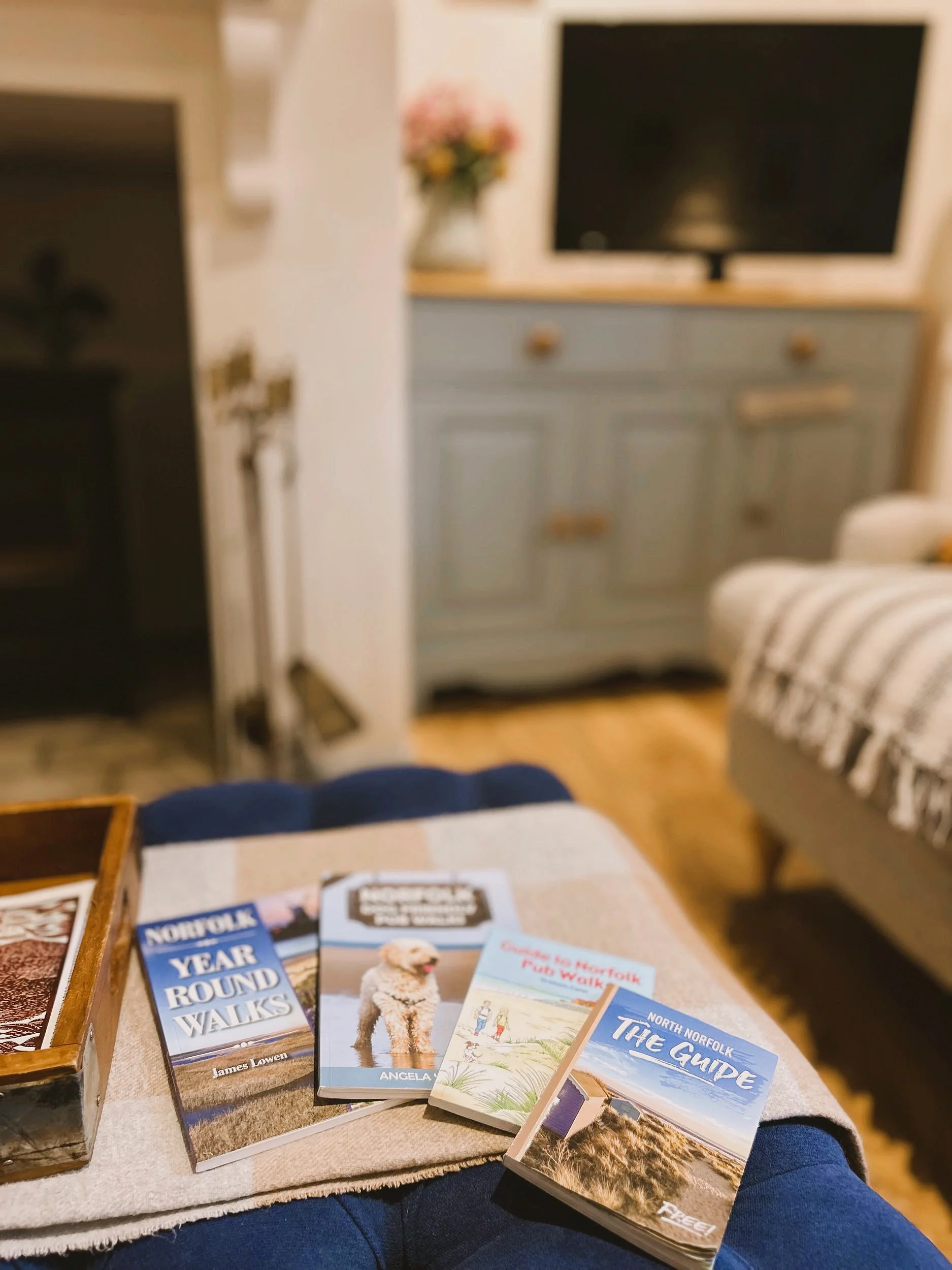
You can read more about the local routes in our guide: Explore the best North Norfolk walks around Flock Cottage
6. Wild Ken Hill, near Snettisham- Approx. 15 minutes by car
Wild Ken Hill is a fascinating landscape to explore, with a mix of wetlands, woodland, scrub and open grassland. Its rewilding work has created a varied habitat for wildlife, making it an interesting place to visit throughout the year.
Winter visitors may include barn owls, short-eared owls, kestrels and a variety of farmland birds. The changing landscape and quieter paths make it a lovely choice if you enjoy exploring somewhere a little less formal than a traditional nature reserve.
Check access arrangements and any visitor information before travelling, as not all areas are necessarily open for unrestricted access.
7. RSPB Snettisham Nature Reserve- Approx. 20–25 minutes by car
If there's one place I'd put on a winter birdwatcher's list, it's RSPB Snettisham. Sitting on the edge of The Wash, this reserve is famous for its incredible gatherings of wading birds. As the tide comes in, huge flocks of Knot, Dunlin and Oystercatchers can be pushed off the mudflats and into the air, creating the famous Snettisham Wader Spectacular. It's quite something to witness, with thousands of birds twisting and turning together above the water.
Winter is also a brilliant time to visit for the pink-footed geese. Arrive around sunrise and, if you're lucky, you'll see huge skeins lifting from their overnight roost and heading inland to feed. It's one of those Norfolk sights that stays with you.
A tip before you go: The Wader Spectacular doesn't happen every day. It depends on exceptionally high tides and the right conditions, so check the RSPB's dates and times before planning your visit. Parking for the spectacles needs to be booked in advance, so don't leave it until you arrive.
Check the RSPB Snettisham Wader Spectacular dates and times
Latest North Norfolk bird sightings
One of the best things about birdwatching is that no two visits are quite the same. A reserve that was quiet last week might be full of activity the next.If you're planning a visit, it's worth checking recent sightings before you head out. It can help you decide where to go and what to look out for.
A little winter update – 24 November 2026- There have already been some lovely reports from the local area this month.
At Holme, recent reports have included thousands of pink-footed geese, Brent geese and large flocks of lapwing, alongside sightings of Firecrest and Goldcrest. At Titchwell, the RSPB's weekly sightings list for the week beginning 23 November includes Snow Bunting, Waxwing, Bearded Tit, Kingfisher, Brambling, Redwing and several other winter visitors.
A good reminder to keep your eyes open as you never quite know what might turn up.
For the most up-to-date reports, these are useful places to bookmark:
Holme Bird Observatory – Norfolk bird reports
Norfolk Ornithologists' Association – local bird news and observations.
We also rather like ebird.org ,here you can join the worlds largest birding community, check the latest sightings worldwide, keep track of your bird lists, photos and sounds- all whilst contributing to science and conseravation.
Sightings can change daily, so always check the latest reports before travelling. A recent sighting is never a guarantee that a bird will still be there.
A few tips for winter birdwatching
You don't need lots of specialist equipment to enjoy birdwatching, but a few little things can make your day more comfortable.
Take binoculars: even a basic pair will help you spot birds out on the marshes and sea.
Dress for the weather: coastal winds can be chilly, so layers, a warm hat and waterproofs are a good idea.
Try early mornings: dawn can be particularly rewarding, especially when geese are lifting off from their roosts.
Check the tides: some coastal birds are easier to spot when the tide pushes them closer to shore.
Take your time: find a good viewpoint, settle in and watch what happens.
Respect the wildlife: keep to marked paths, give birds plenty of space and follow any reserve guidance, particularly around roosting and feeding areas.
Don't forget your camera, even if you're not particularly interested in ticking species off a list, there's something lovely about capturing a flock of geese against a winter Norfolk sky.
A cosy base for winter wildlife watching
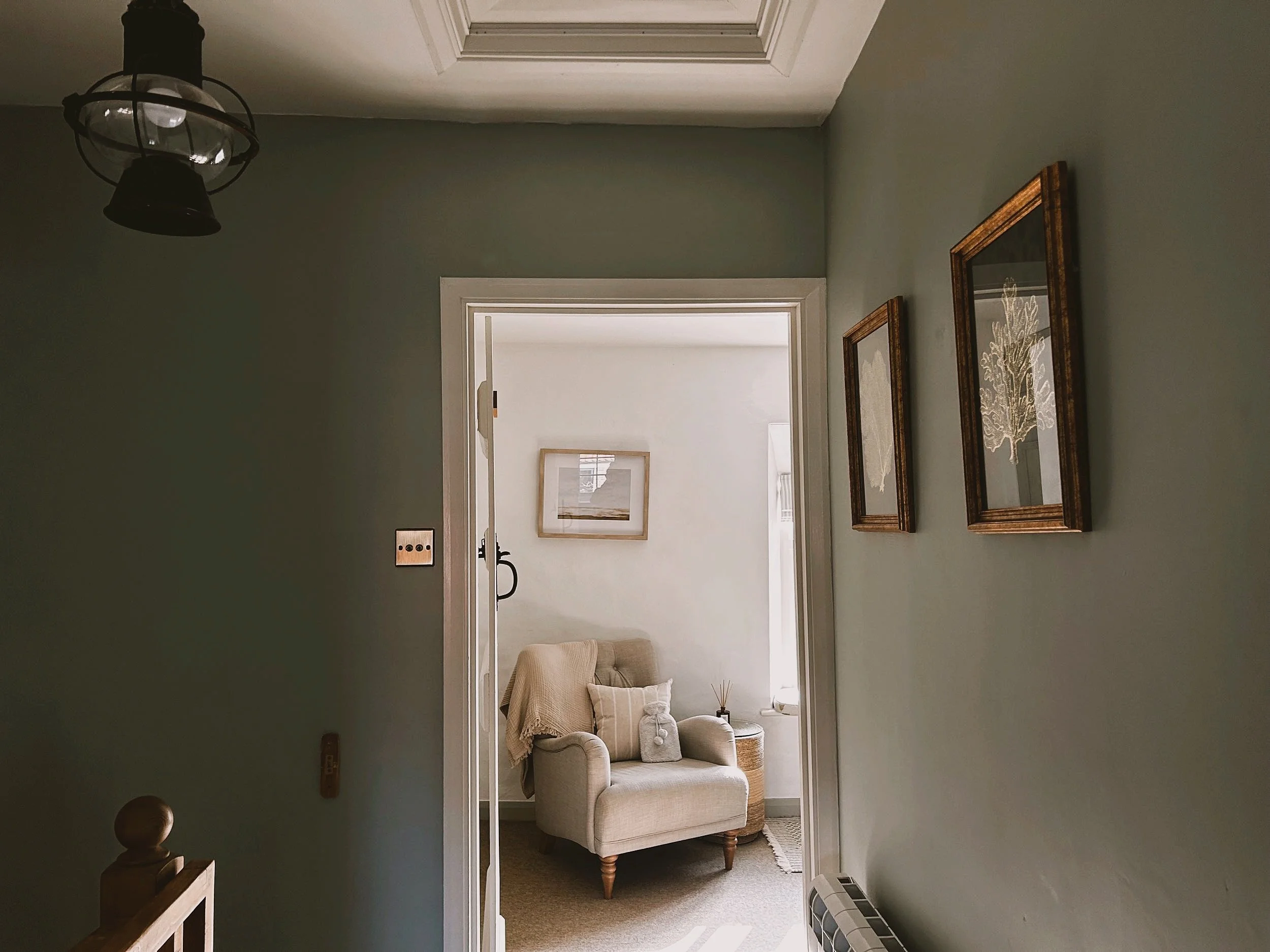
After a few hours outside, there's nothing quite like coming back somewhere warm. Flock Cottage is a traditional brick and flint cottage tucked away in the village of Ringstead, ideally placed for exploring the North Norfolk coast and countryside.
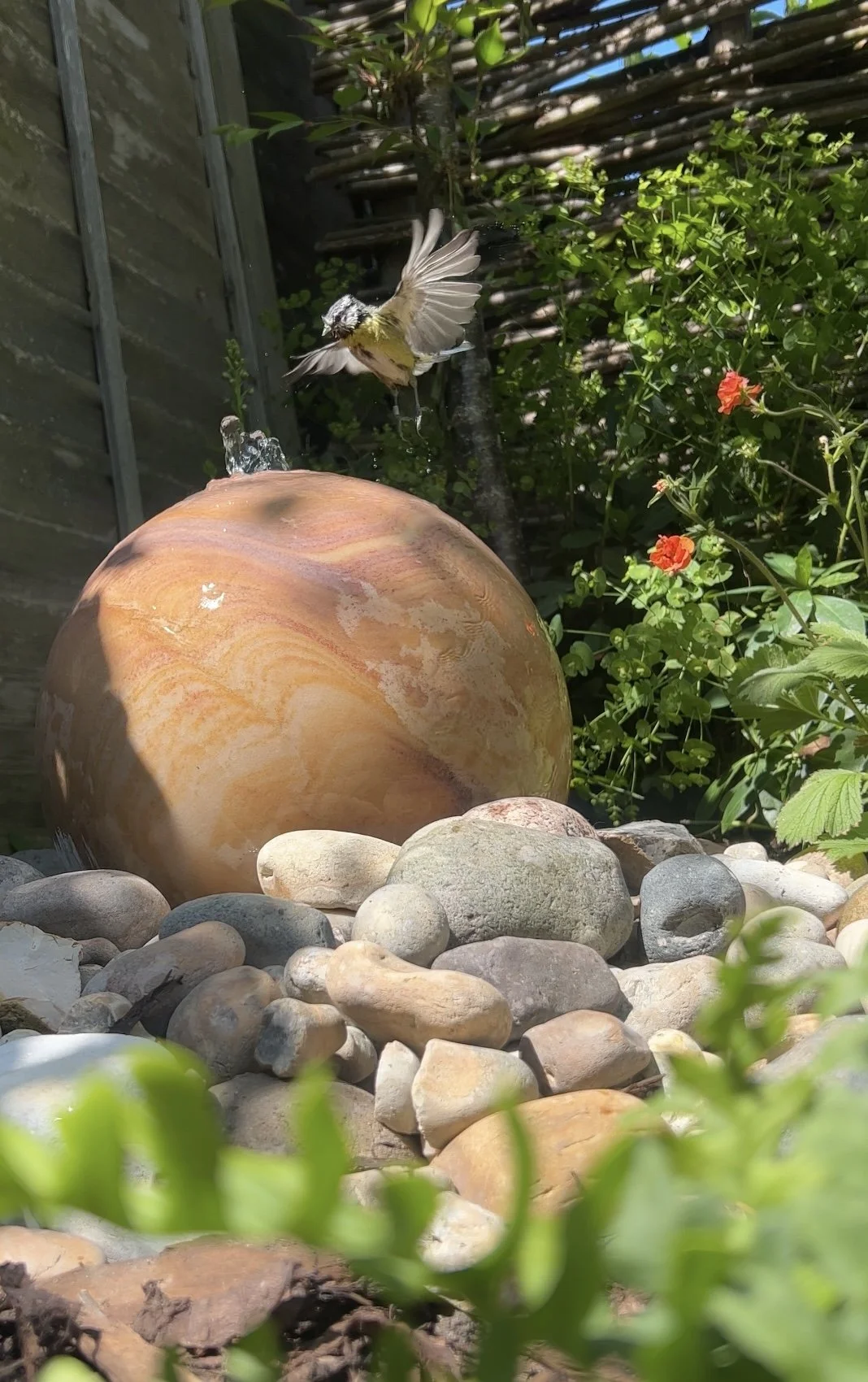
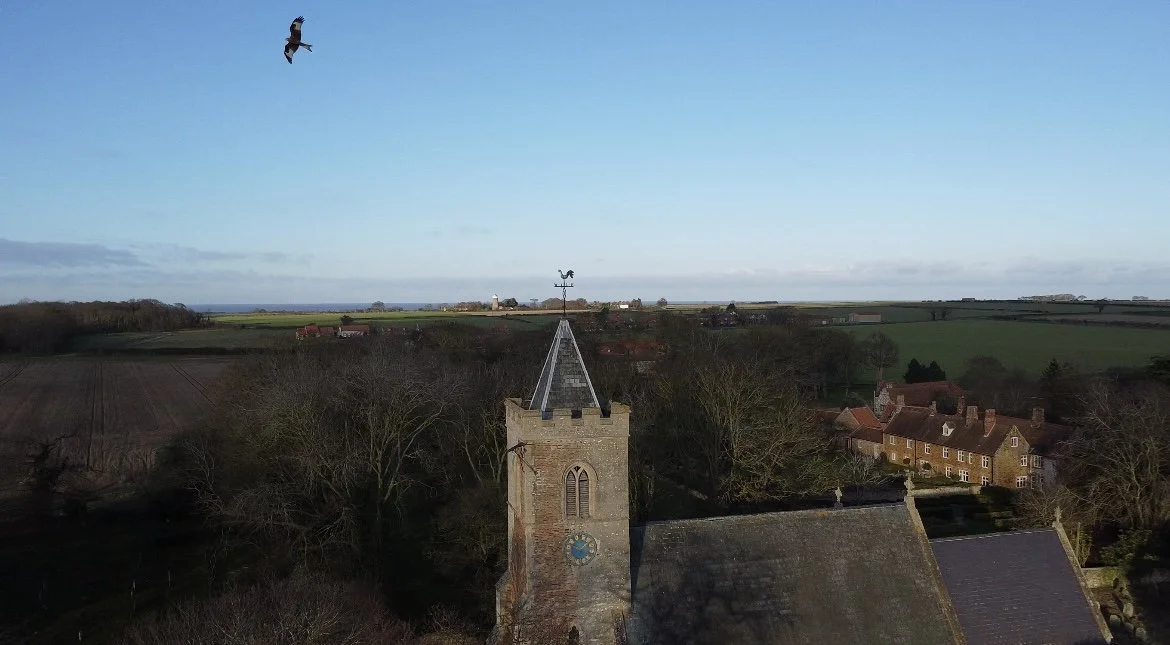
We've got plenty of birds visiting our own garden, too. We've spotted woodpeckers, owls, kites, dunnock, great tits, blue tits, longtailed tits, and wren often making an appearance around the feeders.
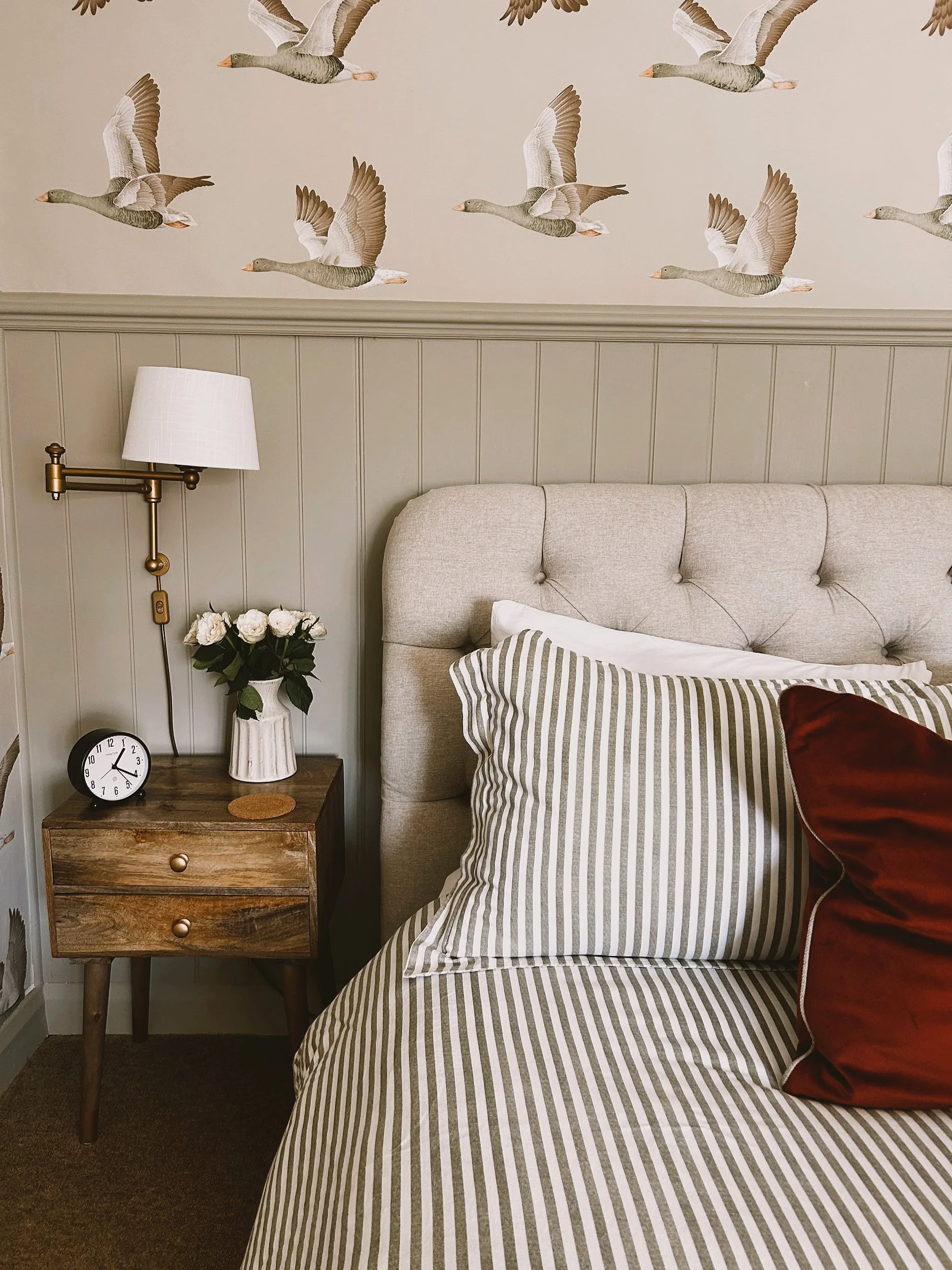
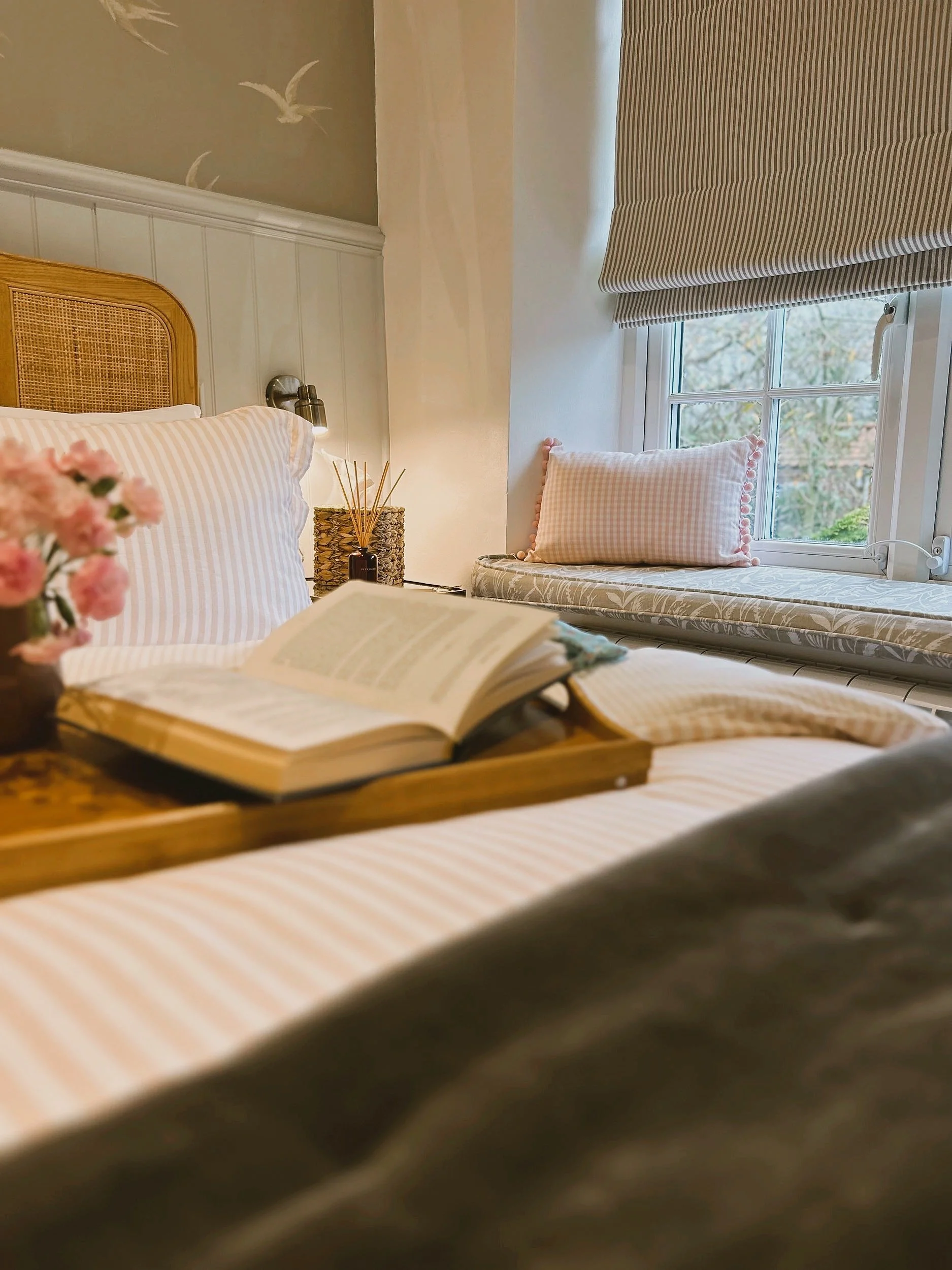
After a day exploring, you can put the kettle on, warm up by the log burner and take a little time to look through your photographs and plan the next day's adventure. With two comfortable bedrooms, space for up to four guests and a dog-friendly welcome, Flock Cottage makes a lovely base for couples, friends and small families who enjoy getting outdoors.
Tour the bedrooms here at Flock Cottage ←
Planning a winter birdwatching break in North Norfolk?
November through to February can be a particularly rewarding time to visit, with winter visitors arriving along the coast and plenty of quieter places to explore. Whether you're an experienced birder hoping to spot something unusual or simply enjoy watching geese pass overhead on a winter walk, North Norfolk has plenty to offer and with so many fantastic wildlife spots close to Ringstead, you don't have to travel far to find them. So if a few days of fresh air, big skies and wildlife sound like your kind of winter break, we'd love to welcome you to Flock Cottage.